

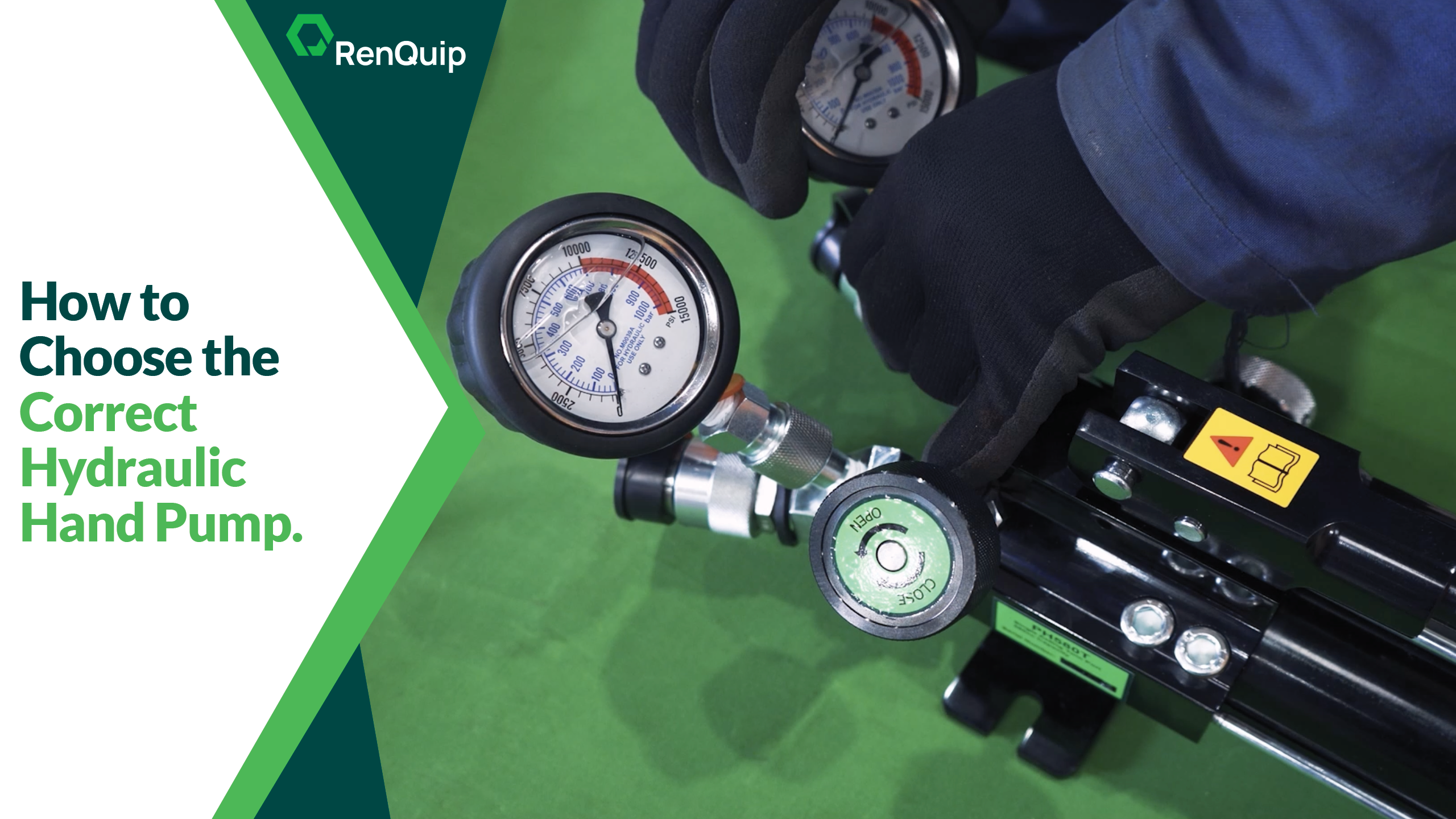
Hydraulic hand pumps are essential for powering a wide range of hydraulic tools used in industrial maintenance, construction, energy and heavy engineering applications.
Choosing the correct pump helps ensure your equipment operates efficiently, safely and reliably.
At RenQuip, we manufacture a range of sealed hydraulic hand pumps designed to deliver high-pressure performance with practical features for demanding site and workshop environments.
Here are the key considerations when selecting the right RenQuip hydraulic hand pump for your application.
1. Choose the Right Pump for Your Application
The first step is understanding the hydraulic tool or system you need to operate. RenQuip manufactures three pump configurations to suit different applications.
Single-Port Sealed Hydraulic Hand Pump (PHS)
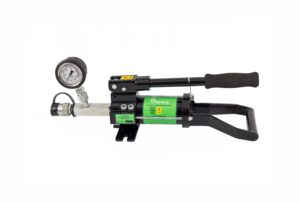
Designed for single-acting hydraulic systems, the PHS pump delivers pressurised oil through a single outlet, making it suitable for applications such as operating hydraulic flange spreaders and lifting cylinders.
Twin-Port Sealed Hydraulic Hand Pump (PHT)

The PHT pump features two independently controlled outlets, allowing operators to power two hydraulic systems simultaneously or individually. This makes it particularly useful when operating two flange spreaders or lifting with two cylinders where maintaining an even load is important.
Double-Acting Sealed Hydraulic Hand Pump (PHD)

For double-acting hydraulic tools and cylinders, the PHD pump provides separate advance and retract functions. Its three-position control valve allows operators to advance, hold or retract the connected equipment.
Selecting the correct configuration ensures your pump is compatible with the equipment and the task at hand.
2. Consider Pressure and Oil Capacity
All RenQuip PH-series hand pumps are rated to a maximum working pressure of 700 bar (10,000 psi) and feature a two-stage pumping design. The two-stage mechanism delivers a higher volume of oil at lower pressure for faster initial movement, then switches to a lower flow rate as pressure increases.
This helps reduce the effort required from the operator while maintaining the pressure needed for demanding hydraulic applications.
RenQuip pumps are available with different reservoir capacities, including 300 cc, 580 cc and 1,100 cc options.
The correct capacity depends on the hydraulic tool or cylinder being operated and the volume of oil required to complete its movement.
Always check the requirements of your connected equipment before selecting a pump.
3. Understand the Benefits of a Sealed Reservoir
Working on site does not always allow a hydraulic pump to remain level. RenQuip pumps incorporate a flexible, sealed oil reservoir that contracts as oil is delivered into the hydraulic system.
This design offers several practical benefits:
• Flexible operating orientation: Helps prevent air entering the hydraulic system when the pump is used in different orientations.
• Reduced risk of oil spillage: Eliminates the need for the air vent found on conventional rigid-reservoir designs.
• Contamination protection: Helps prevent external debris and contaminants entering the reservoir.
• Practical site use: Supports reliable operation in demanding site and workshop environments.
These features make the RenQuip PH range particularly suitable for applications where access, positioning and working conditions can be challenging.
4. Prioritise Safety and Reliability
Hydraulic systems operate under high pressure, so selecting suitable equipment and following safe operating procedures are essential.
RenQuip PH-series pumps incorporate an internal pressure relief valve set to the maximum safe working pressure, helping protect the hydraulic system against over-pressurisation. The pumps are also pressure tested and certified.
Before use, ensure the pump, hoses, couplings and connected tools are suitable for the intended working pressure. Inspect equipment for damage, follow the relevant operating instructions and fully release system pressure before disconnecting hydraulic components.
Regular inspection and appropriate maintenance also help keep hydraulic equipment in safe working condition.
So now you know everything you need to know!
When choosing the correct hydraulic hand pump, it comes down to understanding your application, selecting the correct outlet configuration, allowing for the required oil capacity and ensuring compatibility with your hydraulic equipment.
And secondly – RenQuip’s PHS, PHT and PHD sealed hydraulic hand pump ranges are designed to provide reliable, high-pressure operation with the practical benefits of a two-stage mechanism and sealed reservoir.
Need help selecting the right pump for your application?
Explore the RenQuip Hydraulic Pump Range or contact our team at info@renquip.com to discuss your requirements.
 RenQuip